
Framing Success: How to Plan a Photoshoot That Speaks Your Brand
In today’s digital-first world, strong visuals are not just nice to have—they’re essential. Whether you're a freelancer, a small business owner, or managing a growing brand, the way you present yourself online matters more than ever. Your audience often sees your visuals before they read a word of your messaging. That's why planning your brand photoshoot with intention can be the turning point that elevates your business presence and creates lasting impact.
This guide will walk you through the essentials of preparing for a photoshoot that not only looks good but works hard for your brand. From defining your message to selecting the right photographer and prepping for the shoot, each step plays a role in telling your story with clarity, confidence, and style.
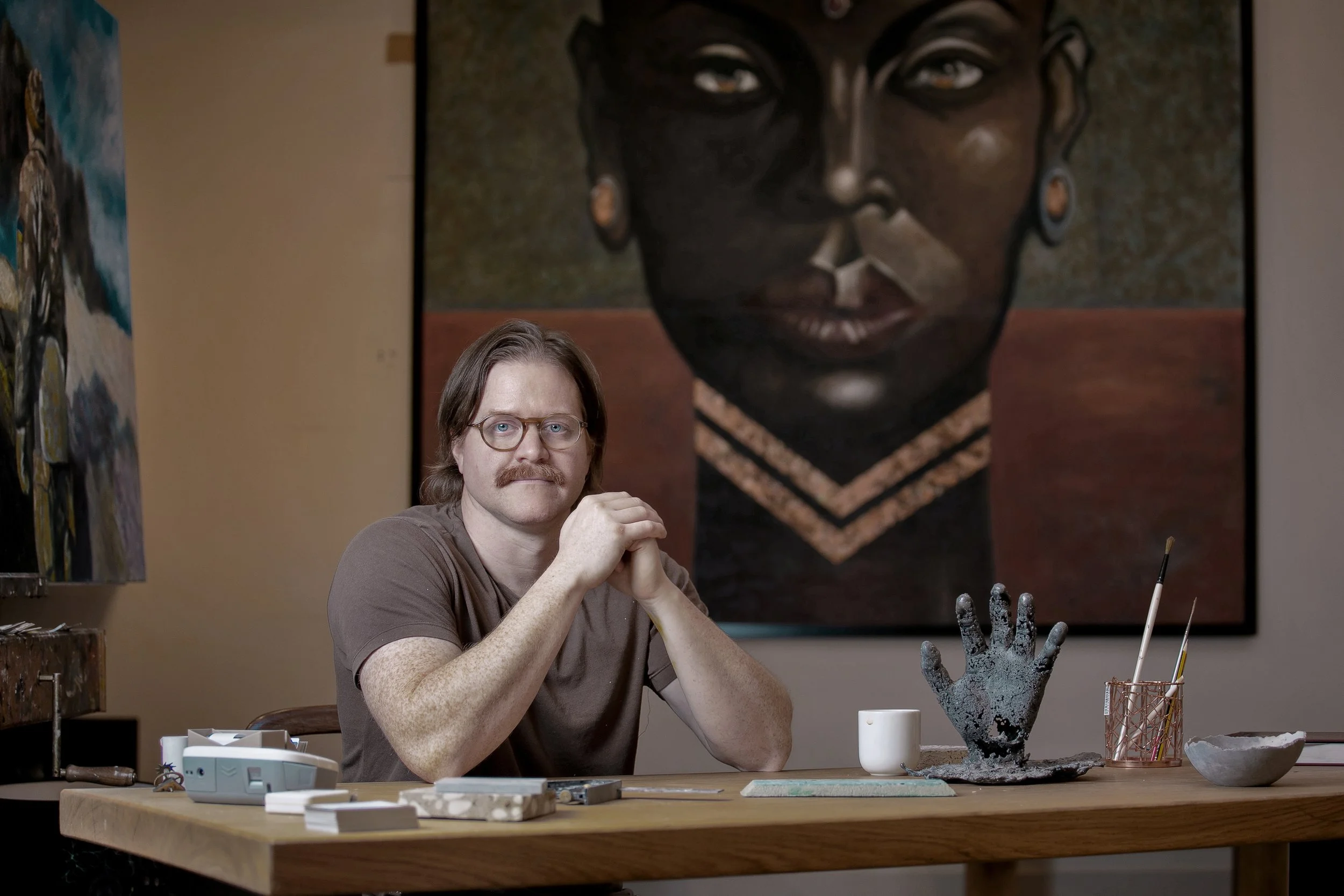
Why Strategic Visual Content Matters
Visuals are the language of the digital age. Whether on a website, Instagram feed, newsletter, or digital portfolio, your imagery is often the first impression someone has of your brand. A cohesive, polished set of brand photos can help build trust, show off your personality, and make your brand instantly recognisable.
But creating impactful visuals doesn’t start with picking up a camera—it starts with strategy. Before you even think about lighting, angles, or props, you need to get clear on your brand’s essence: who you are, what you do, and how you want people to feel when they engage with your content.
Step One: Clarify Your Brand Identity Define What You Do and What You Stand For
Start by asking yourself the most fundamental question: what does your business stand for? What’s your mission, your “why,” and what kind of impact are you trying to create?
Your photos should communicate your values and offer visual cues about your personality, services, and niche. For example, a wellness coach who values serenity, balance, and holistic living might opt for natural light, muted tones, and serene backdrops. In contrast, a tech startup founder might want a sleek, urban vibe that suggests innovation, confidence, and forward-thinking energy.
Be specific and intentional. Think about:
Your profession and industry.
The tone and voice of your brand (professional, friendly, artistic, luxurious?).
Key brand values (sustainability, empowerment, creativity, reliability?).
Visual styles that speak to your ethos.
This clarity will shape everything that follows—from wardrobe choices to locations to the overall mood of the shoot.



Step Two: Find the Right Photographer
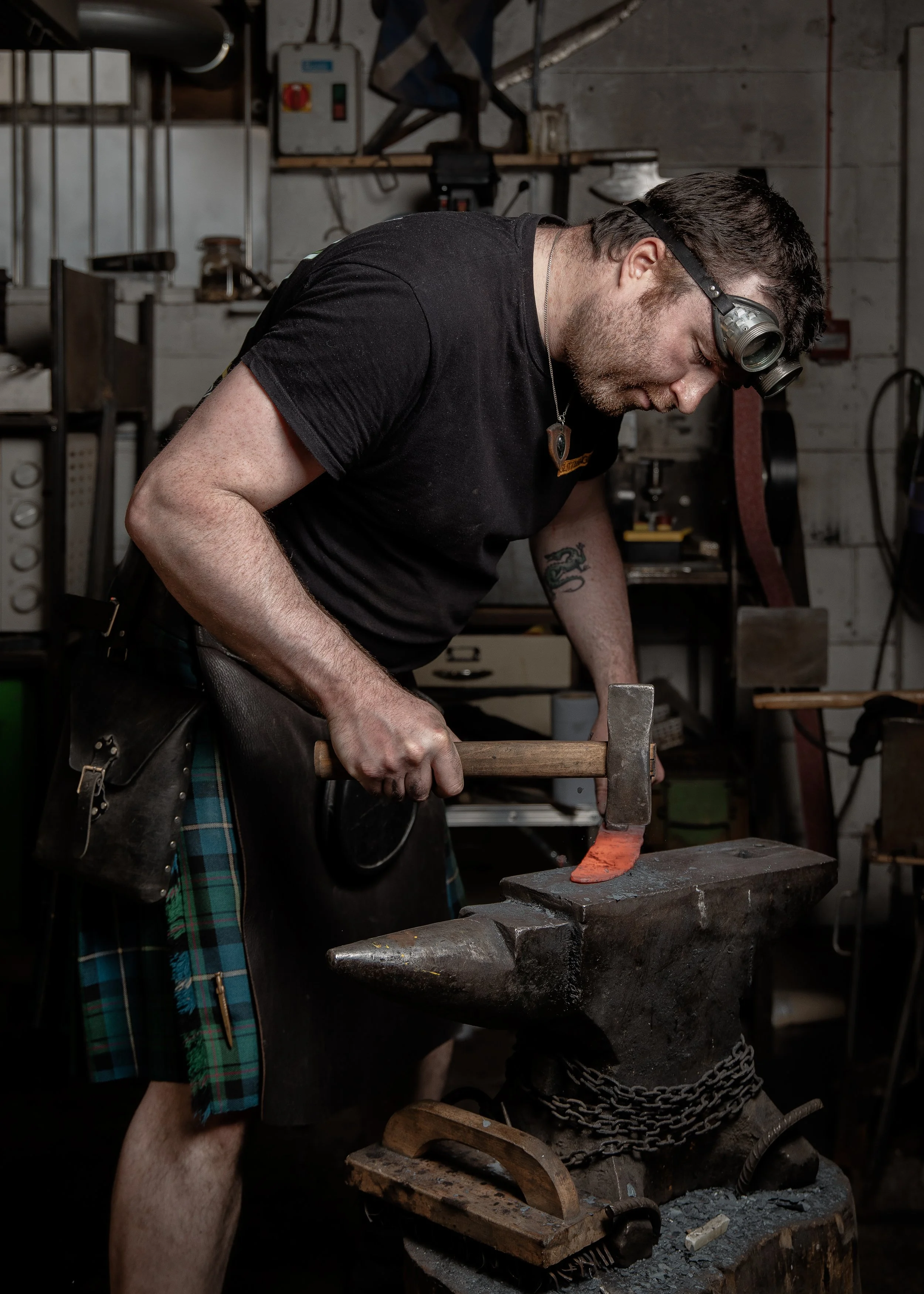
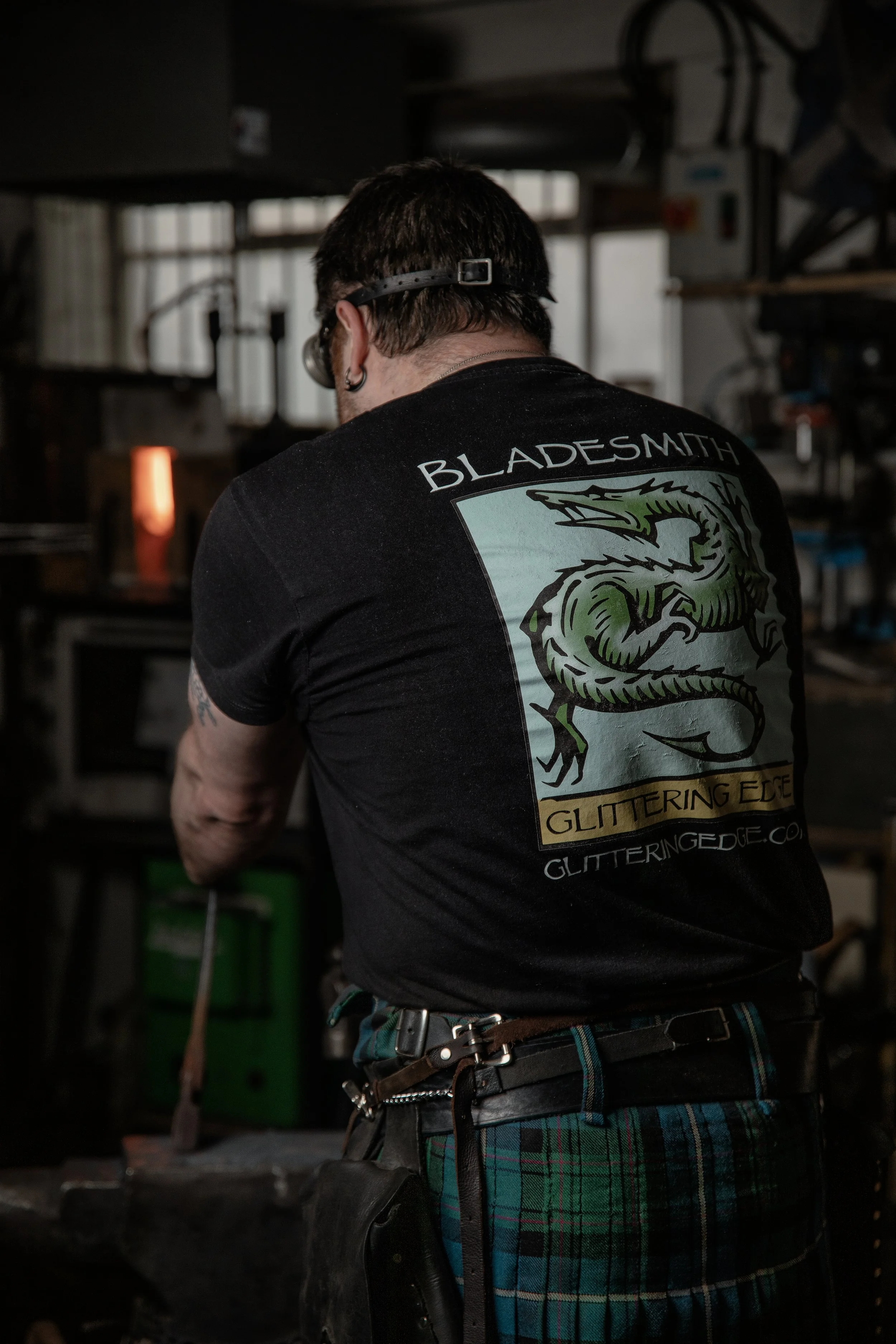
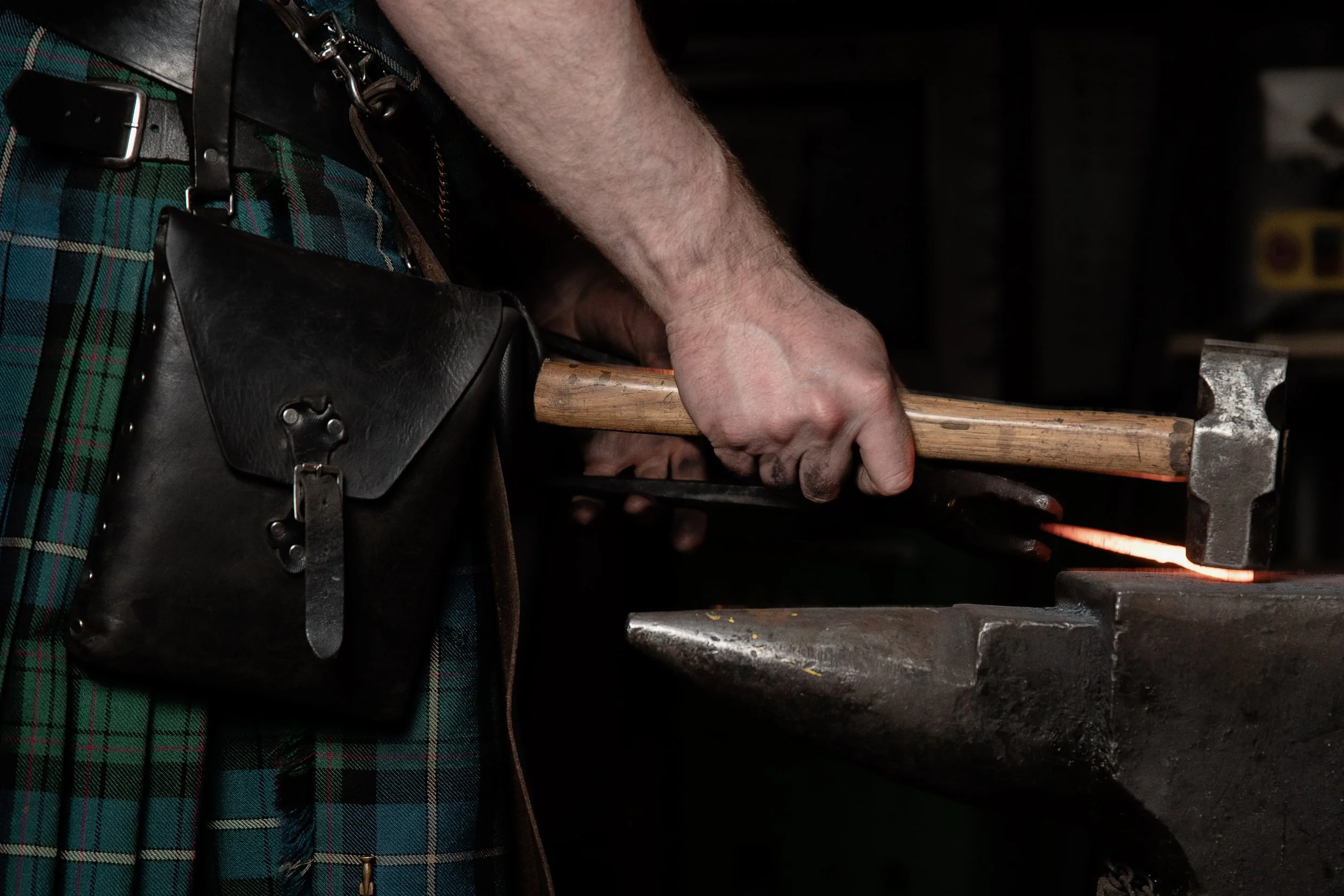
One of the most crucial steps in planning your brand photoshoot is choosing a photographer who “gets” you. This doesn’t just mean someone with technical skill (though that’s a given)—it means finding a visual storyteller who takes the time to understand your brand on a deeper level.
What to Look For:
Style compatibility: Look through their portfolio. Do their tones, compositions, and editing style resonate with your brand vision?
Experience with branding: Do they have experience shooting personal brands or commercial clients? Do their images feel intentional and professional?
Collaborative approach: The right photographer will ask the right questions. They’ll be curious about your work, your goals, and your audience.
It’s also helpful to have a conversation or consultation before booking. Share your mood boards, talk about your audience, and ask how they approach storytelling through photography. A great photographer becomes a creative partner, not just a vendor.
Step Three: Understand Your Audience
The better you understand your audience, the more effective your images will be.
Think of your photos as tools, not just decoration. What are you trying to say to your audience? What emotions do you want to evoke? Are you trying to attract high-end corporate clients, relaxed creative collaborators, eco-conscious customers, or busy parents?
Consider:
Age, gender, location.
Lifestyle and interests.
Aspirations and values.
Pain points and needs.
Once you have a clear audience in mind, tailor your shoot to them. For instance, if you’re a wellness brand targeting women in their 30s and 40s who prioritise work-life balance, your images might focus on calm, connection, and intentional living. If you’re a business coach for startup founders, your visuals might need to project energy, innovation, and credibility.
Step Four: Align Your Visuals with Your Brand Identity
Colour, Mood, and Composition
Your photos should seamlessly blend into your existing brand materials. This is where your branding elements—like your logo, brand colours, typography, and website aesthetic—come into play.
Colour palette: Stick to the tones that represent your brand. These can be reflected in your wardrobe, background settings, props, or lighting.
Mood: Do you want the shoot to feel light and playful, grounded and natural, or bold and editorial? Decide on a consistent tone.
Consistency: Think about where these photos will live—Instagram, LinkedIn, your homepage? Make sure they work across platforms and tie together with your broader visual identity.
Mood boards and reference imagery can be incredibly helpful here. Platforms like Pinterest or Milanote can help you organise your ideas and share them with your photographer.



Step Five: Plan the Details
Once your foundation is set, it’s time to plan the specifics.
Wardrobe
Dress to express—not impress. Choose outfits that feel like a natural extension of your brand and personality. Think about:
Brand colours or complementary tones.
The level of formality appropriate for your niche.
Versatility (can one outfit work in multiple ways?).
Comfort—you’ll look most confident when you feel good.
Bring multiple outfits to the shoot if possible. A few variations can give you a wide range of content without additional shoot day
Props & Tools
Props are an excellent way to add storytelling layers. Think of items that are part of your day-to-day work or symbolise your approach. Examples might include:
Laptop, notebook, or phone.
Books that inspire you or represent your niche.
Branded products or packaging.
Coffee mugs, pens, or post-its for a casual desk scene.
Whatever you include, make sure it’s intentional and aligned with the overall vibe.

Location
The setting you choose can dramatically influence the feel of your shoot. Options include:
Home office or workspace (authentic and personal).
Studio (controlled environment, clean backdrops).
Outdoor locations (natural light, dynamic energy).
Client-facing spaces (like a shop, café, or co-working space).
Think about lighting, access, noise, and visual interest. Also consider practicalities: will you need a permit? Is there a backup option in case of bad weather?
Step Six: Prep and Communicate
A successful shoot is all about preparation. Share your brand guidelines and shoot goals with your photographer in advance. Create a checklist of what to bring (wardrobe, props, water, mirror, makeup touch-up kit, etc.) and don’t forget a shot list or mood board.
If possible, create a rough schedule for the shoot day, especially if you're shooting in multiple locations. Clear communication avoids stress and ensures you make the most of your time on set.
Step Seven: Make the Most of Your Images
Once you have your final gallery, don’t just upload a couple to your About page and call it a day. Your brand photos are versatile tools that can elevate every aspect of your marketing.
Use them across:
Website banners and headers.
Social media content and ads.
Email newsletters.
Media kits and press features.
Slide decks and presentations.
Business cards and brochures.
Consistency across platforms builds recognition and trust. You can even plan your next few months of content around your new imagery.
Final Thoughts
Planning a photoshoot that truly represents your brand isn’t just about looking good on camera. It’s about showing up with intention, clarity, and confidence. The right photos can boost your credibility, deepen audience connection, and help you stand out in a crowded digital landscape.
Invest the time upfront to plan strategically, and you’ll walk away not only with beautiful photos—but with a visual identity that works for your business and grows with your brand. So don’t rush the process. Take the time to understand who you are, what you want to say, and who you want to say it to. Then go create the kind of imagery that turns heads and builds trust—because your brand deserves to be seen in its best light.

