
Why Guiding Your Subject Matters: The Key to Strong Composition & Flattering Portrait
One of the biggest misunderstandings in photography is the idea that great images “just happen.” While magic can unfold in front of the lens, the truth is that strong portraits and well-balanced compositions are usually the result of intentional direction. As photographers, our job isn’t just to press the shutter, it’s to guide, shape, and refine the scene to bring out the best in the people we photograph.
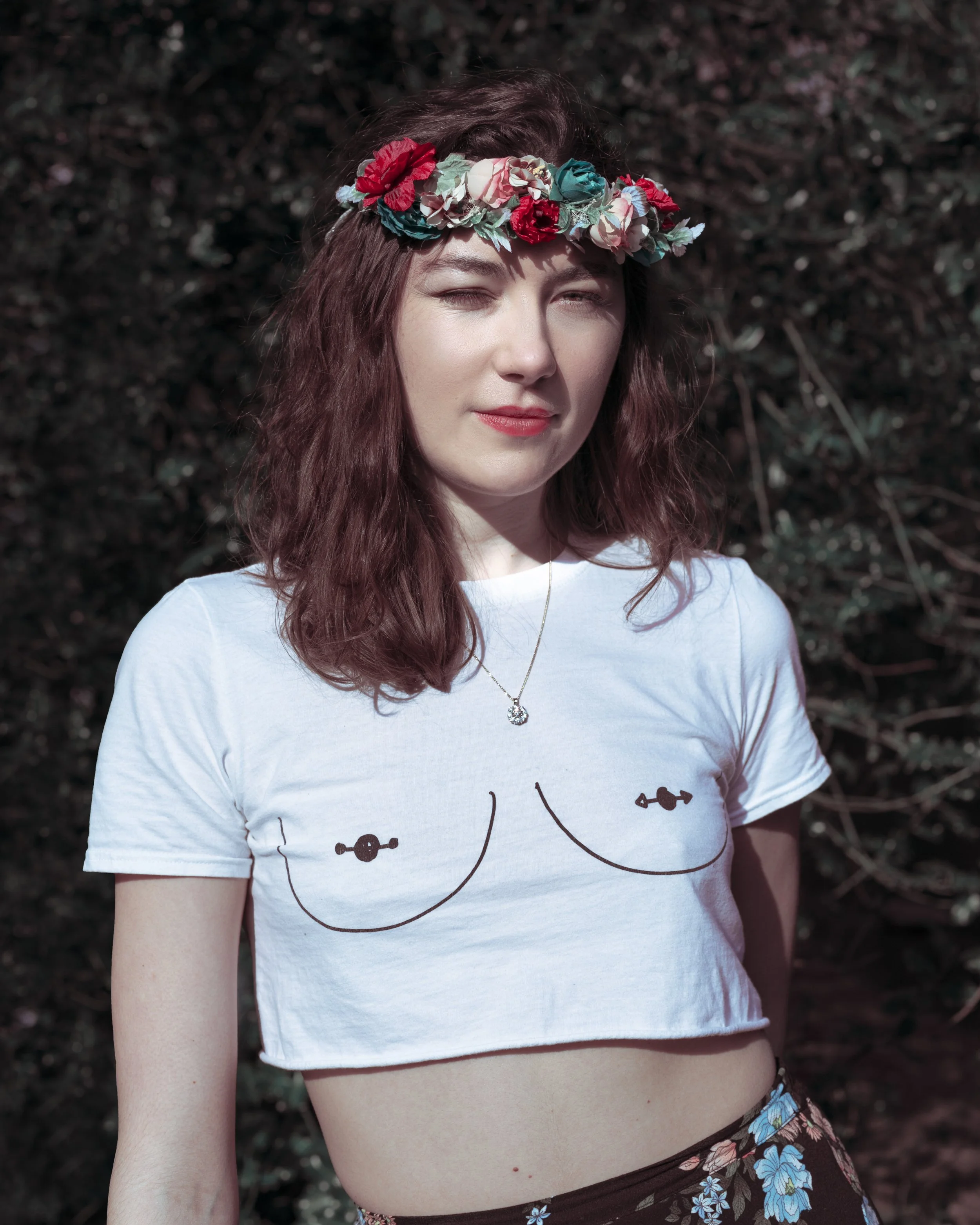
1. Posing Isn’t About Perfection, It’s About Comfort
The first step in achieving a great portrait is helping your subject feel at ease. Most people aren’t used to being in front of the camera and don’t instinctively know what to do with their hands, shoulders, or posture. A few simple prompts such as “soften your shoulders,” “shift your weight to one side,” or “turn slightly towards the light” can instantly transform a tense stance into a natural, confident pose.
Keep talking to your sitters to help them feel comfortable and relaxed. In my experience, the success of a portrait doesn’t lie solely in technique, but in the photographer’s ability to engage with the sitter — making them feel confident, relaxed, and at ease — to capture the most natural and flattering expression and pose. When the subject feels comfortable, their expression softens, and authenticity follows.
2. Small Adjustments Make a Big Difference
A tiny tilt of the chin, a slight step forward, or even guiding someone to angle their body can drastically change the final image. These micro-adjustments help:
Highlight their best features.
Create flattering lines.
Avoid awkward limb placement.
Emphasise connection with the camera: As for example, ask the sitter to look to another direction and after ask to look back to you to get a more relaxed expression on the face.
Good posing isn’t about forcing someone into unnatural shapes; it’s about reading each person and making subtle changes that bring out their individuality.
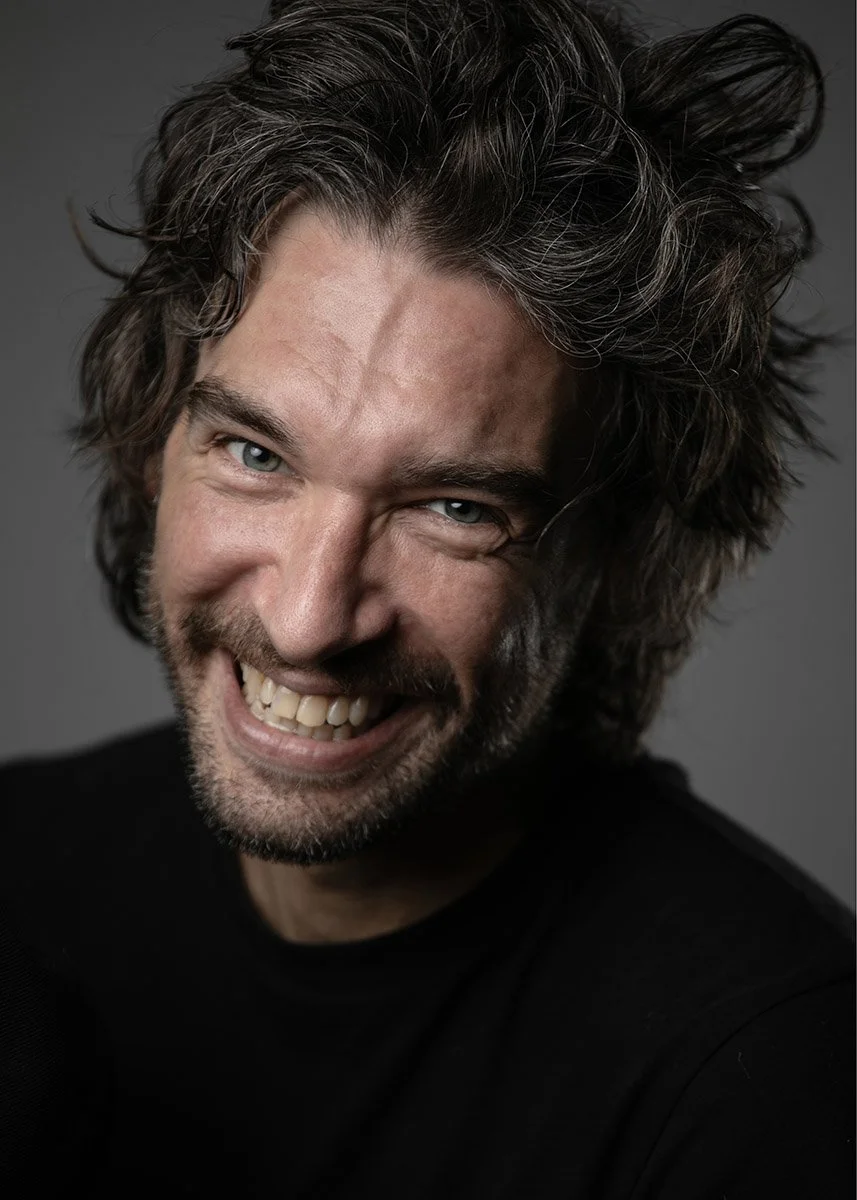
3. Avoiding Distortion Through Position & Perspective
Distortion is a natural part of photography, especially when shooting with wide lenses or at close distances. I would avoid using a focal distance lower than 50mm The wrong angle can enlarge facial features, shorten limbs, or warp the body.
Guiding your subject helps control this. Simple techniques include:
Keep the face slightly angled rather than straight-on. This adds more dynamism to the composition and enhances the subject’s features. However, keep it subtle and don’t ask your subject to tilt their head too much.
Extending the neck subtly to avoid compression, as well as straighten the shoulders to keep a flattering and confident posture.
Leaning slightly forward to keep features proportional.
Avoiding hands or feet too close to the lens.
Adjusting your shooting height to keep lines natural. Also, avoid positioning the camera above and looking down toward your sitter. While this angle can be flattering, it can also undermine your subject.
When you pair strong direction with thoughtful lens choice and perspective, you minimise distortion while keeping the image feeling real and honest.
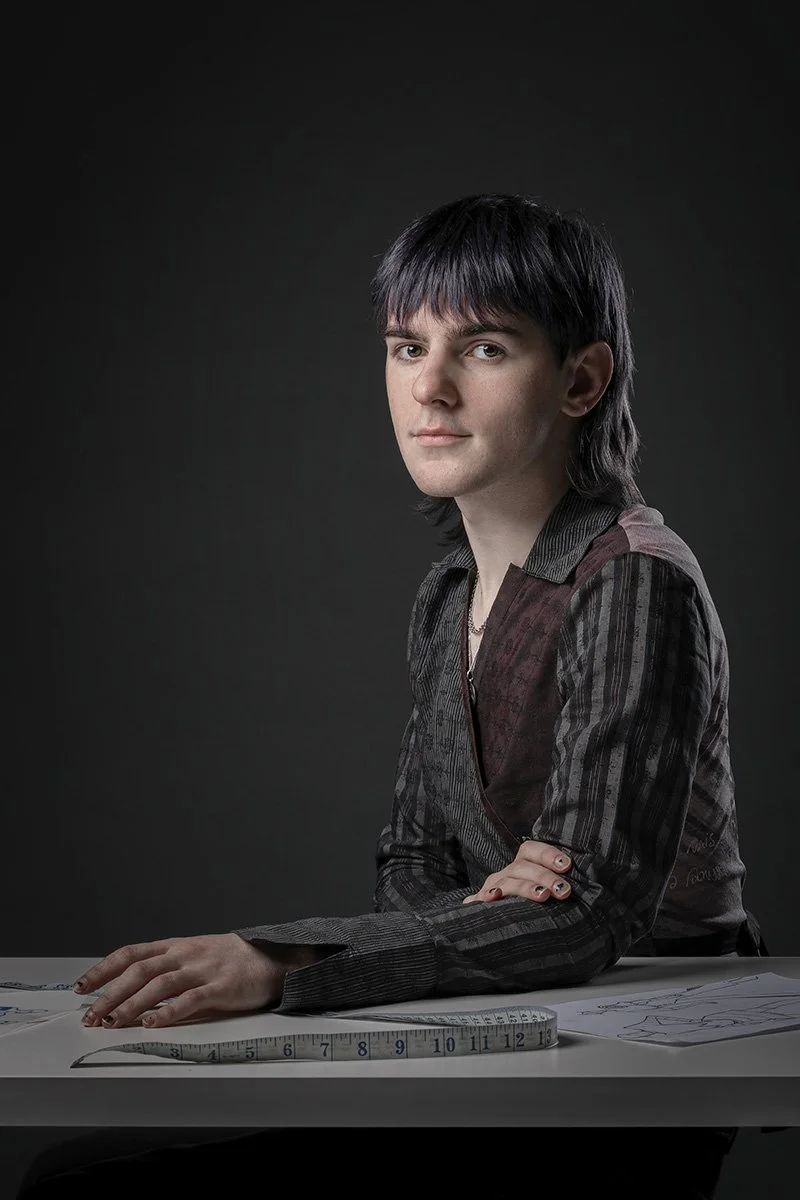
4. Posing Strengthens Composition
A well-posed subject becomes part of a larger design within the frame. By guiding them, you can:
Lead the viewer’s eye.
Create balance with the background.
Complement architectural lines or natural elements.
Build a visual flow that feels intentional.
Even in candid or documentary-style photography, direction can be subtle but still impactful, a gentle move toward better light or a slight shift to a cleaner background can elevate the entire composition.
5. Your Confidence Creates Their Confidence
The more confidently you guide your subject, the more trust you build. And trust shows.
When someone feels supported, they relax, which leads to better posture, better expressions, and ultimately better images. Good direction isn’t controlling, it’s collaborative, respectful, and empowering
In the end…
As photographers we don’t just capture what’s in front of us, we shape it. By thoughtfully guiding our subject and understanding how posing influences distortion and composition, we create images that feel balanced, flattering, and full of intention.
Great photos aren’t accidents. They’re crafted one gentle prompt at a time.
